
Coming home after surgery is often a relief, but it’s also when the real work of recovery begins. Hospitals are increasingly discharging patients earlier than they used to, which is good for wellbeing and infection control, but it also means more of the healing process now happens at home, without a nurse down the hall. That’s where professional post-surgical home care makes a real difference to how safely and how well someone recovers.
Why the days after discharge matter most:
The first one to two weeks after surgery carry the highest risk of complications: wound infections, blood clots, poorly controlled pain, medication errors and falls are all more likely in this window. Many of these complications are preventable with the right monitoring and support, but they can be hard to catch without clinical training. A family member might notice a wound “looks a bit red” without knowing whether that’s normal healing or an early sign of infection. A qualified nurse knows exactly what to look for, and when to act.
This is part of why Hospital in the Home style programs, where clinical care is delivered at home instead of on a hospital ward, have grown across Australia. They allow people to recover in familiar surroundings while still receiving genuine clinical oversight, not just companionship or domestic help.
What post-surgical nursing care at home actually covers:
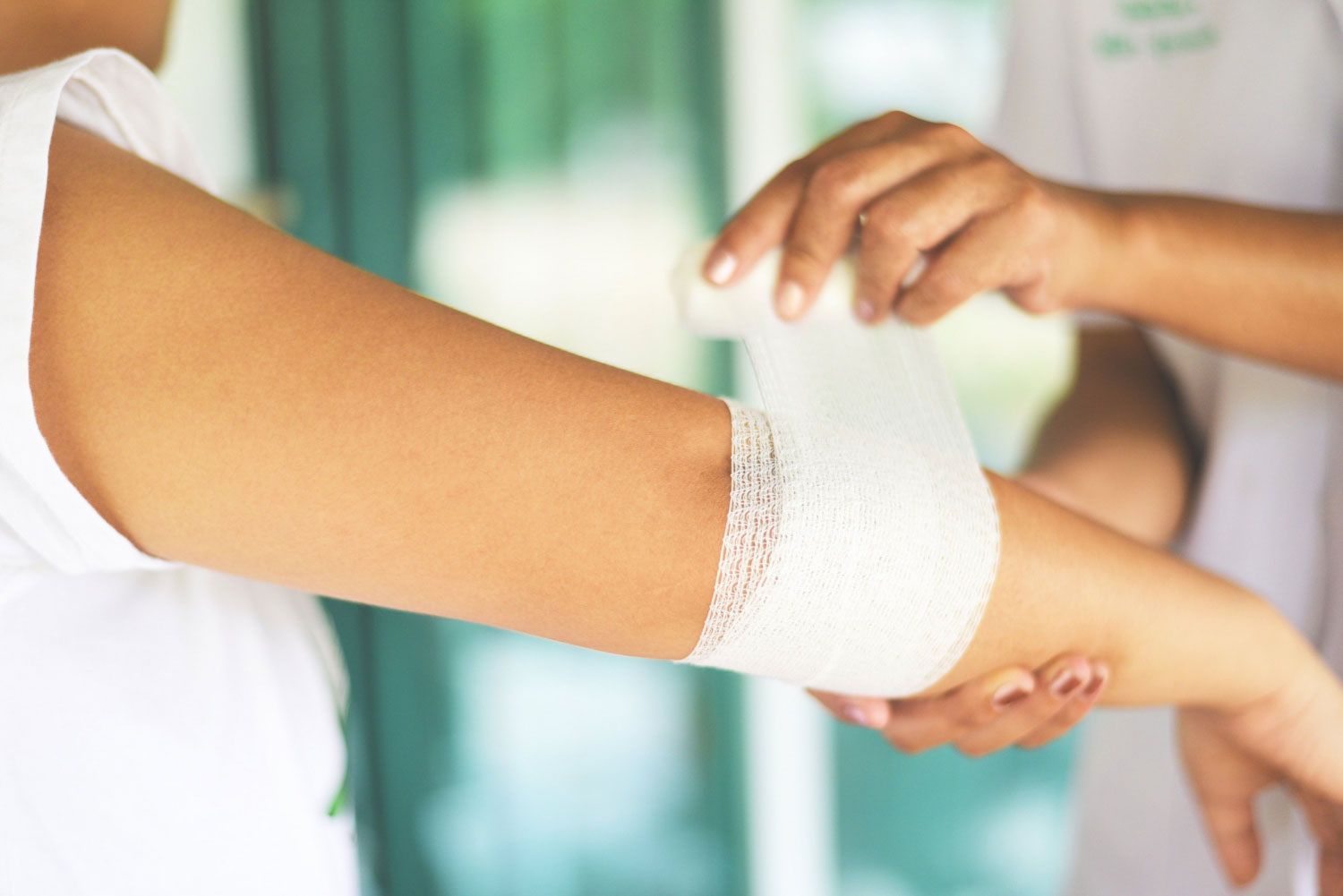
Wound care and dressing changes. Surgical wounds need to be cleaned, dressed and monitored on a schedule, watching for signs of infection such as increasing redness, swelling, warmth, discharge or fever. Getting this wrong, or missing early warning signs, is one of the most common reasons people end up back in hospital after surgery.
Medication management:
Post-surgical patients are often juggling pain relief, antibiotics, blood thinners and their usual medications all at once, sometimes with changed dosages. A nurse can make sure medications are taken correctly and on schedule, watch for side effects, and flag concerns with the treating doctor before they escalate.
Monitoring vital signs and recovery progress:
Regular checks of blood pressure, temperature, wound healing and general condition mean subtle changes are picked up early, often well before they’d become obvious to someone without clinical training.
Mobility and rehabilitation support:
Depending on the type of surgery, safe movement is a big part of recovery, whether that’s helping someone get in and out of bed safely, encouraging gentle movement to prevent blood clots, or supporting a graduated return to normal activity without overdoing it too soon.
Pain management:
Well-managed pain isn’t just about comfort, it directly affects how well someone can move, breathe deeply, eat and sleep, all of which influence healing. Nurses can assess whether pain relief is working and coordinate adjustments with the prescribing doctor.
Drain and catheter care:
Some surgeries involve surgical drains, catheters or other equipment that need to be managed correctly and removed at the right time, tasks that require clinical training to do safely.
Nutrition and hydration support:
Good nutrition speeds wound healing and recovery generally, and a nurse can help make sure someone is eating and drinking enough, particularly if appetite is affected by surgery, medication or reduced mobility.
Who benefits most from home-based post-surgical care:
While anyone recovering from surgery can benefit from some extra support, home-based nursing care makes the biggest difference for older adults, particularly those living alone; people recovering from major or complex surgery, such as joint replacements, abdominal surgery or cardiac procedures; clients managing other chronic health conditions alongside their surgical recovery; and anyone whose family or informal carers aren’t confident managing wound care, medications or mobility support safely on their own.
Signs recovery isn’t going to plan:
It’s worth knowing when to seek help rather than wait it out. Increasing pain, redness, swelling, warmth or discharge around a wound, fever or chills, sudden shortness of breath, swelling or pain in a calf, confusion or unusual drowsiness, or a wound that reopens are all reasons to contact a nurse or GP promptly rather than waiting for a scheduled follow-up. Having a nurse involved in recovery means there’s someone who can assess these situations quickly and know whether they need urgent attention or are a normal part of healing.
Supporting a smoother, safer recovery:
Good post-surgical care at home isn’t just about avoiding complications, it’s about helping people heal well, regain independence faster, and avoid the stress and disruption of an unplanned trip back to hospital. For families, it also means peace of mind, knowing that a qualified professional is keeping an eye on things, not just hoping everything is going as it should.
At Rensat Nursing Services, we provide qualified, person-centred post-surgical nursing care to clients across the Serpentine-Jarrahdale Shire and surrounding areas, working closely with clients, families and treating doctors to support a safe and steady recovery at home.
If you or a family member has upcoming surgery or has recently been discharged from hospital, call us on 0457 360 173 or email admin@rensatnursing.com.au to talk about a recovery care plan tailored to your needs.